THE ART OF THEATRE

When individuals regardless of age feel that their contribution is meaningful and not forced, they are free to express their true selves and connect authentically with others.

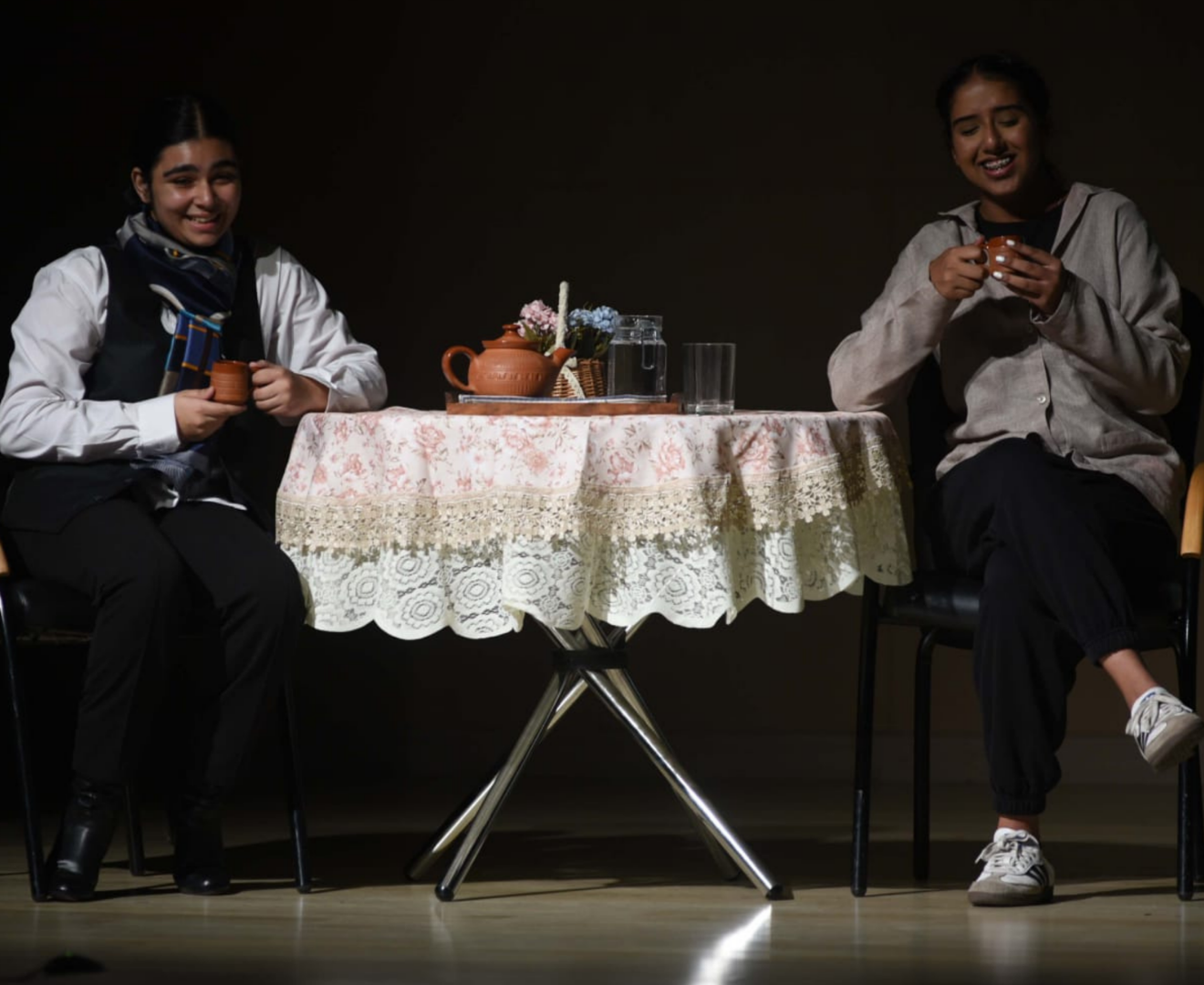
Theatre is a collaborative experience that allows students of all abilities to express themselves while developing key personal skills—spontaneity, communication, empathy, and relationship-building. It encourages both individual growth and group connection.

Our participants don’t just perform—they create lasting memories and develop life skills that extend far beyond the stage.

We use the transformative tool of theatre for

icon

Theatre in Education (TIE)

Aligned with CBSE curriculum to enhance learning through creative engagement.

icon

Applied Theatre for Personal Development

Building confidence, empathy, and self-awareness.

icon

Applied Theatre for Social Change

Promoting community cohesion and healthy group dynamics.

icon

Theatre of the Oppressed

Empowering at-risk and marginalised communities to voice their experiences.

icon

Playback Theatre

Creating awareness and resolving conflicts on environmental, social, and civic issues.

icon

Applied Theatre for Corporates

Facilitating team building, leadership development, and skill enhancement.

” We must all do theatre, to find out who we are, and to discover who we could become. ” – Augusto Boal

Who is it for?

Theatre is for Everyone

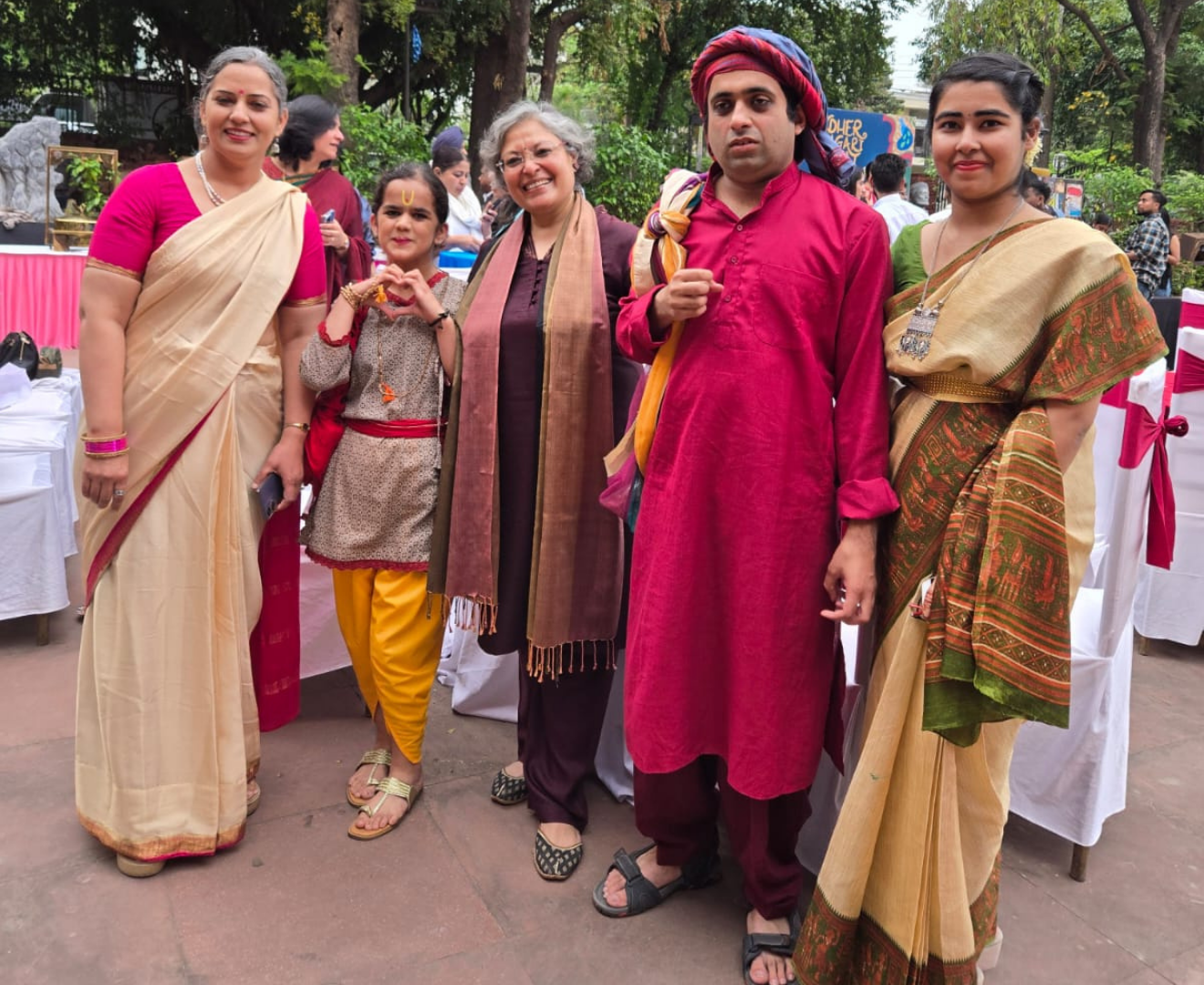
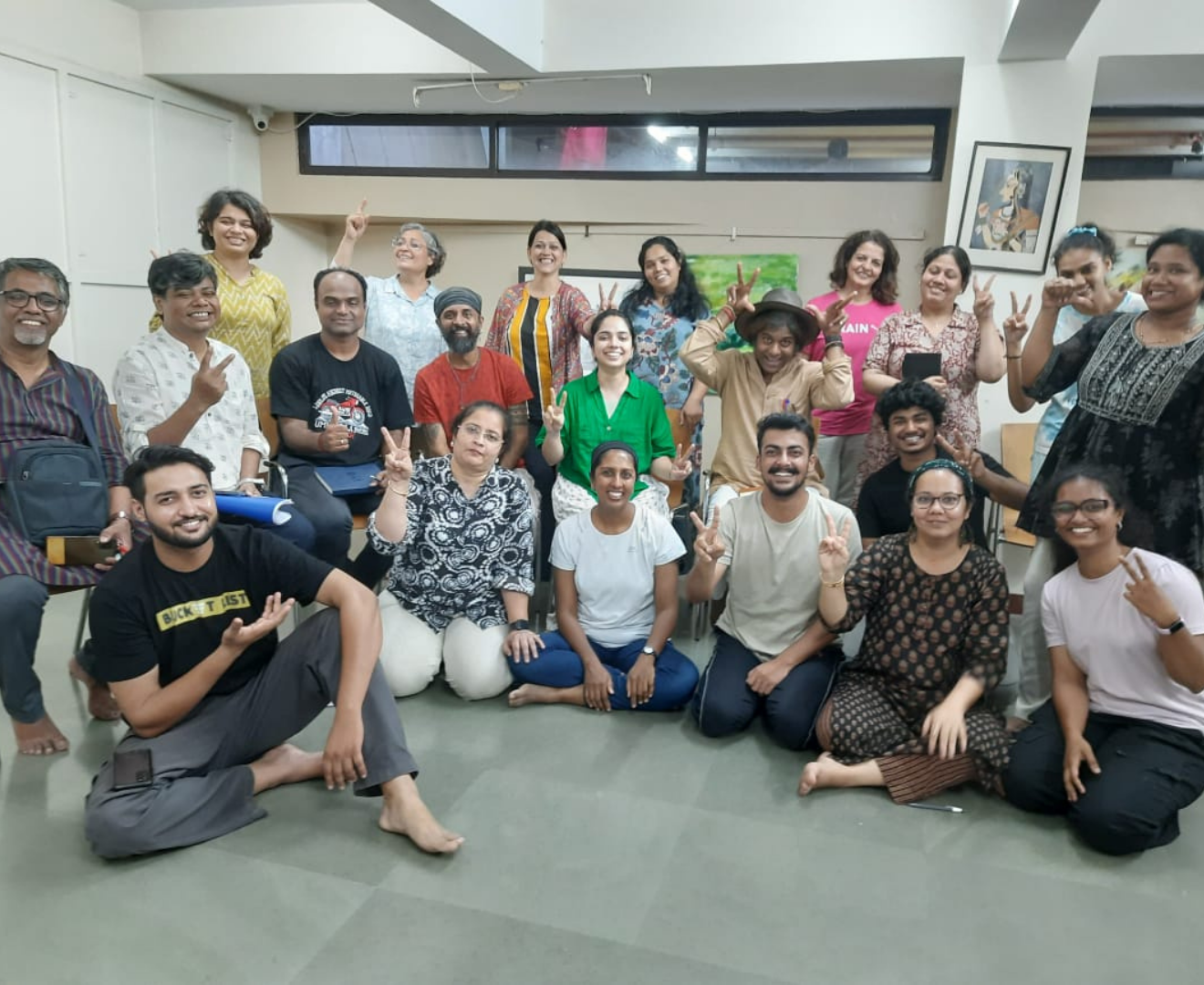
Theatre welcomes children, adults, seniors, people with disabilities, professionals, and artists. It builds confidence, communication, creativity, and connection across every stage of life.

From nurturing self-esteem in children to reducing stress in adults, strengthening memory in seniors, and empowering communities through storytelling, theatre becomes a powerful tool for growth.

Rooted in Viola Spolin's theatre games, our process-focused approach uses improvisation, play, and presence to cultivate empathy, expression, and self-awareness—without pressure or competition.

"The techniques of the theater are the techniques of communication." — Viola Spolin